

A federal court in Chicago has certified a class of Illinois residents in a BIPA claim against Amazon’s virtual assistant software Alexa.
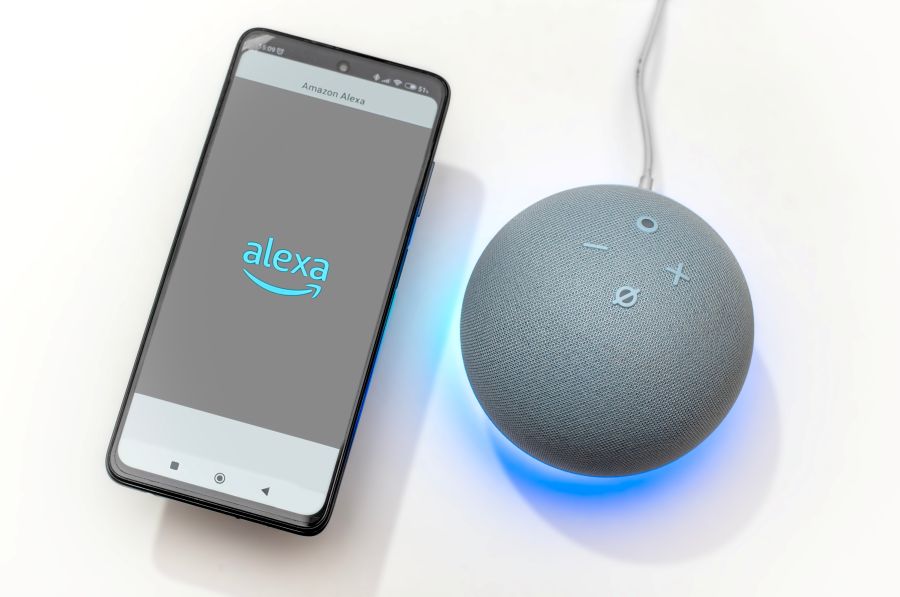
Shutterstock.com/Jossfoto
Yesterday, the US District Court for the Northern District of Illinois granted plaintiffs’ motion to certify a class of “all natural persons in Illinois for whom Amazon created a voiceprint on or after June 27, 2014.” The order is one of few class certification victories for plaintiffs in data protection class actions.
In June 2019, plaintiffs filed a class action alleging that Amazon-owned Alexa violated the Illinois Biometric Information Privacy Act 2008 (BIPA). Negligent BIPA violators can face US$1,000 or actual damages, whichever is greater. Intentional BIPA violations are subject to a US$5,000 fine, or actual damages.
The plaintiffs claimed that Amazon violated BIPA by allegedly failing to obtain consent before collecting and sharing their voiceprints. Named plaintiffs Michael Gunderson, Jason Stebbins and Christopher Block had enrolled in Voice ID, which allows Alexa to use voice-recognition technology to match the voice speaking to a registered user.
However, the court denied Gunderson’s class certification motion as he was not a “proper class representative” because he had enrolled in Voice ID after the class action was filed.
“As a named plaintiff at the time, Gunderson was or should have been on notice that enrollment in Voice ID would result in Amazon creating a voiceprint,” according to the court’s redacted opinion and order.
The court added, “Stated differently, Gunderson, as a named Plaintiff in this case, did not need Amazon’s answers to discovery to understand that by enrolling in Voice ID, he would be creating a voiceprint, a biometric identifier. The Court therefore finds Gunderson to be an atypical and inadequate class representative.”
But the court did find Stebbins and Block’s claims are typical of the class.
“The Court finds that whether Amazon collected, captured or received through trade, or otherwise obtained biometric identifiers or information is a common question that predominates over any individual inquiries,” according to the court.
The court added, “Similarly, whether Amazon did so without first obtaining written informed consent is also a common question of fact that predominates over any individual inquiries.”
The court also agreed that plaintiffs will argue common evidence to answer whether Amazon sold, leased or otherwise profited from biometric identifiers or information.
Plaintiffs’ and Amazon’s counsel did not respond to a request for comment.
Counsel to plaintiffs
Peiffer Wolf Carr Kane Conway & Wise
Partner Brandon Wise in St. Louis, Missouri, and of counsel Andrew Ready Tate in Atlanta
KamberLaw
Partner Michael Aschenbrener in Chicago
Counsel to Amazon
Morgan Lewis & Bockius
Partners Elizabeth Herrington in Chicago and J. Warren Rissier and Jordan McCrary in Los Angeles