

The UN has reimposed economic and military sanctions on Iran, initiating the “snapback mechanism” 10 years after it lifted restrictive measures. Lexology PRO tracks the recent sanctions imposed on Iran and the impact on businesses.
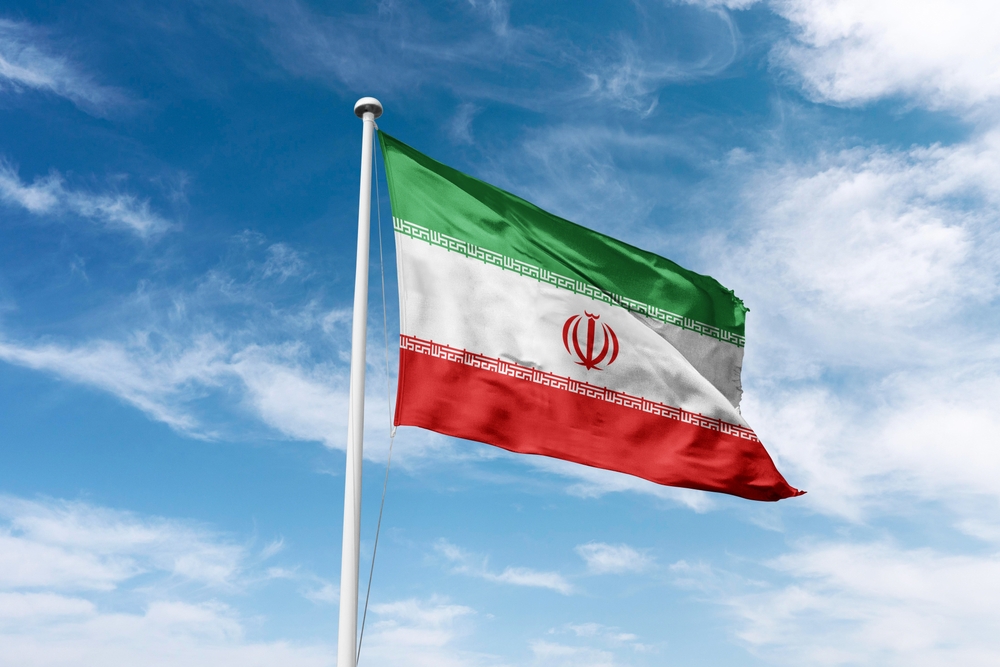
Shutterstock.com/Sherif Ashraf 22
Companies are once again exposed to UN-mandated sanctions on Iran, following the reactivation of the “snapback” mechanism under UN Security Council (UNSC) Resolution 2231.
The move, triggered by European powers citing Iran’s non-compliance with the 2015 nuclear deal, has restored a broad suite of restrictions that had been lifted a decade ago.
The reinstated measures include:
- a ban on uranium enrichment and reprocessing;
- a prohibition on ballistic missile development and testing;
- a renewed international arms embargo;
- asset freezes and travel bans on designated Iranian individuals and entities; and
- inspection and seizure authorisations for prohibited cargo to and from Iran.
These sanctions are now binding on all 193 UN Member States, significantly increasing the compliance burden for companies operating in sectors such as energy, shipping, finance, and technology. The EU has also revived its restrictive measures, including bans on Iranian cargo flights and imposed sanctions on key financial institutions.
Companies failing to monitor the accelerating pace of sanctions risk severe compliance breaches, regulatory penalties and operational disruption. This timeline delivers the essential updates legal teams need to safeguard their businesses.
The situation in the Middle East is changing constantly, so we recommend consulting Lexology PRO’s automated regulatory monitoring tool, Scanner, as well as government and media outlets for the most up-to-date information.